


If you’re reading this, then I’m fairly confident you’ve heard the phrase “aged like fine wine.” While we generally mean this to imply something improves with time, the truth is that most wine doesn’t have what it takes to age. It either lacks the necessary acidity, residual sugars, tannins, or complexity that takes a wine from early drinking to age worthy. Ninety percent of what lines store shelves is built for speed: juicy, fresh, forgettable. Drink now. Move on.
But some wines? They don’t just age. They evolve. They expand. They settle into themselves. And if you catch them at the right moment, they taste like something otherworldly. They taste like time.
To understand how wine changes, you need to know how it smells. This is the language of wine’s life cycle. Not marketing fluff—actual aromatic evolution. The good stuff. The strange stuff. The part that might turn you into a lifer.
Primary Aromas: Loud, Bright, and Bursting
These are the attention-grabbers. They come directly from the grape—no winemaking trickery, no aging, just raw material. Think of them as the wine’s youthful energy. All fruit, flowers, and herbs, often dialed up to eleven.
What to expect:
Fruit: strawberry, raspberry, plum, blackcurrant
Citrus: lemon zest, grapefruit, orange oil
Floral: violet, rose, elderflower
Herbs: green bell pepper, mint, tarragon, tomato leaf
Mineral: chalk, crushed stone, saline
Primary aromas dominate young wines—especially fresh whites, rosés, and early-drinking reds. They’re bright, direct, and easy to love. But they don’t last.
Secondary Aromas: The Winemaker’s Signature
This is where process enters the picture. Secondary aromas are created during fermentation and aging, depending on the vessels used (stainless steel, oak, concrete, etc.). These are less about grape, more about technique.
What to expect:
Yeast-driven: bread dough, brioche, toast, beer
Malolactic fermentation: butter, cream, lactic tang
Oak aging: vanilla, clove, cedar, coconut, baking spice
Lees contact: cheese rind, almond, hazelnut
Secondary aromas show up when the wine is still young, but layered. They provide texture, richness, and tension. In whites, this can mean creamy weight. In reds, more spice or a smoky edge.
Tertiary Aromas: The Whisper of Time
This is where things get interesting. Tertiary aromas develop slowly—sometimes over decades—as wine ages in the bottle. Oxygen, time, and internal chemistry begin to shift the aromatic profile. Fruit fades. Earth rises.
What to expect:
Dried fruit: fig, prune, date
Earth: mushroom, wet leaves, forest floor, compost
Spice: tobacco, cigar box, incense, nutmeg
Oxidative tones: coffee, soy, balsamic, roasted nuts
Dried florals: potpourri, dried rose, tea leaf
Not everyone likes this stage. In fact, many casual drinkers hate it—where’s the fruit? But for those who learn to love it, it’s mesmerizing. A quiet kind of wildness.
What Aging Actually Does
Aging isn’t just a timeline. It’s chemistry in slow motion.
Fruit esters degrade. That’s why older wines smell less like fruit and more like dried or savory elements.
Tannins polymerize. In red wines, this means the structure softens and becomes silkier.
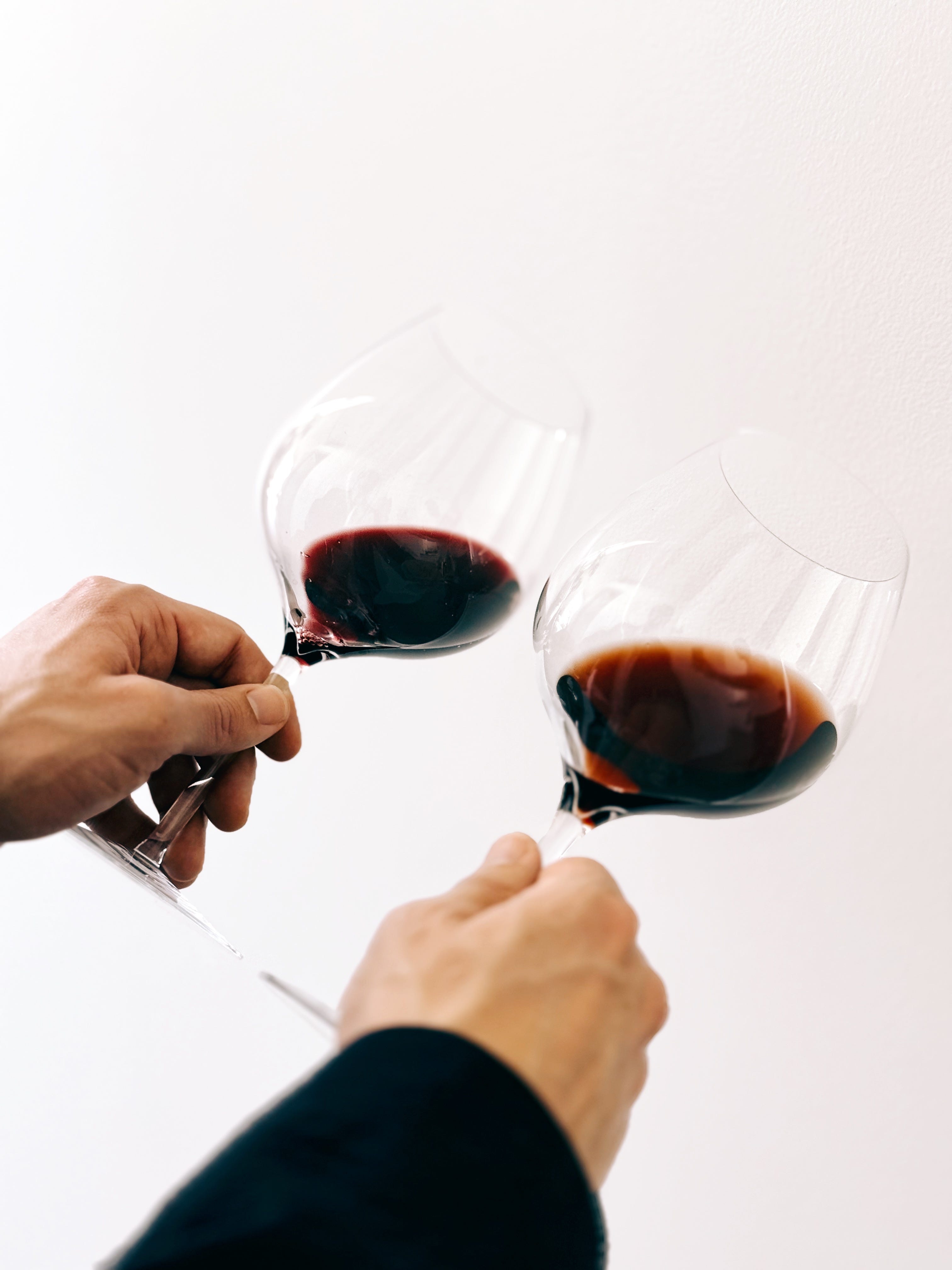
Color shifts. Reds lose pigment (ruby becomes brick). Whites deepen (pale straw becomes gold or amber).
Acid softens perception. While the pH doesn’t change drastically, aged wines feel less sharp.
Aromas integrate. Nothing shouts. Everything harmonizes.
Red vs. White: Aging Pathways
Aging doesn’t look the same across all wines. Here’s a rough cheat sheet:
Reds (with structure):
Young: fruit, spice, tannin
Mid-age: dried fruit, leather, olive, iron
Old: earth, mushroom, soy, balsamic, tea
Whites (with acidity and texture):
Young: citrus, orchard fruit, florals
Mid-age: honey, almond, lanolin, chamomile
Old: nutty, oxidative notes, toast, marmalade, dried flowers
Some wines (like Riesling, Sémillon, or white Rhône blends) are stunning with age. Others just fall apart. Same for reds. Pinot Noir, Nebbiolo, Cabernet, Syrah—all age differently, with their own tempo and turning points.
Why Most Wines Aren’t Built to Evolve
Around 90% of wine is made to drink within five years. That’s not a bad thing—it’s just a reality of economics and taste.
What makes a wine age-worthy?
Acid: freshness and longevity
Tannin: preserves structure
Sugar: stability (in dessert wines)
Alcohol: contributes body and preservation (in balance)
Concentration: there has to be enough to withstand time
A cheap, cheerful red from the grocery store might be delicious tonight. But in ten years? It’s more likely to taste like faded juice and cardboard. Not every wine deserves to be cellared.
Drinking Windows: Timing the Peak
Every age-worthy wine has a sweet spot—that moment when it’s neither too tight nor too tired.
How to find it:
Use CellarTracker or critic scores as a baseline.
Check the producer’s website for drink/hold estimates.
Open one early, one mid, one late—make your own map.
Drinking windows aren’t expiration dates. They’re invitations to find the wine’s voice at different volumes.
A young wine is bright and brash. An old wine is subtle and strange. But neither is inherently better. Like most things, it’s a matter of preference.
The magic lies in knowing what you’re drinking—and why. In listening to a wine’s voice at different volumes. In understanding when it’s time to savor the fruit, and when it’s time to lean in and catch the whisper.
Because aging isn’t just about what a wine becomes. It’s about what it reveals.
And once you’ve tasted that revelation, there’s no going back.
I can never wait to enjoy a new bottle anyway. This makes me so happy! Maybe patience isn’t always a virtue. ;)