


Let’s be real—wine can feel like an exclusive club, and most of us didn’t get the invite. It’s wrapped in layers of fancy jargon, cryptic tasting notes, and an air of pretense that makes even the most confident drinkers hesitate. Ever had someone swirl a glass, take a sip, and declare, “Ah yes, this has excellent structure” while you sat there wondering if you even know what structure means? Yeah, same.
But here’s the thing: wine doesn’t have to be intimidating. You don’t need a degree in French viticulture or a superior palate to enjoy a great bottle. You just need a little curiosity, a decent glass, and the guts to drink outside your comfort zone.
So if you want to actually learn about wine—without feeling like you need to start dressing in tweed and carrying a pocket-sized Oxford Companion—this guide is for you. No gatekeeping, no snobbery, just practical steps to start drinking better and knowing what’s in your glass.
Let’s dive in.
Just drink the damn wine
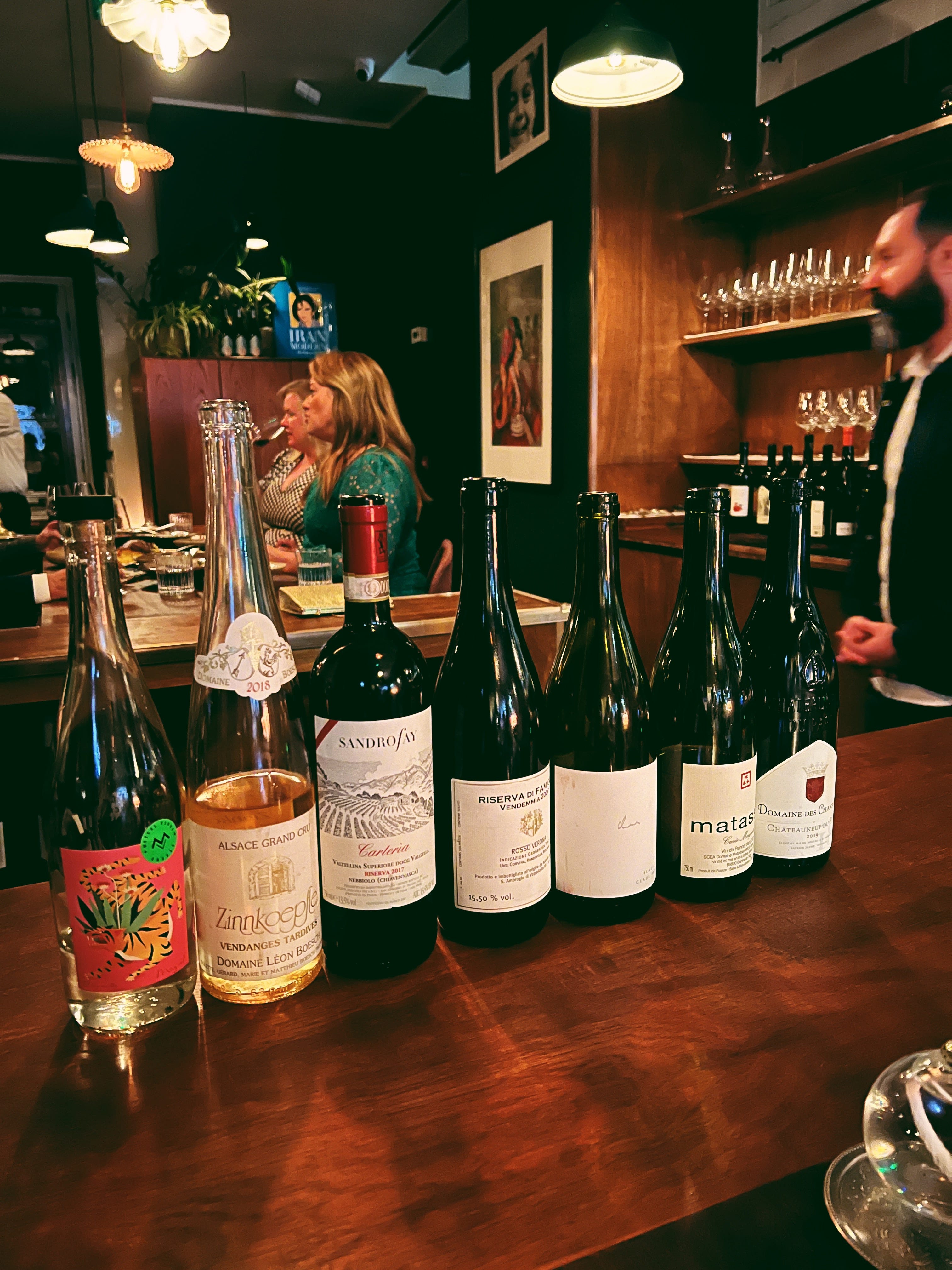
Look, you’re not going to learn about wine by drinking the same thing over and over. The fastest way to get better at wine is to drink widely. That means breaking out of your comfort zone.
Most people think they have a type—maybe you always reach for New Zealand Sauvignon Blanc, or you're a die-hard Napa Cab drinker. That’s fine. But if you never stray from your usual, you’ll never understand wine—you’ll just know a handful of wines you like.
Try this experiment:
Next time you’re at a restaurant or wine shop, don’t order your go-to. Instead, challenge yourself to try something totally different.
Love Chardonnay? Try Chenin Blanc from the Loire or Assyrtiko from Santorini.
Always go for Pinot Noir? Check out Spätburgunder (German Pinot) or Mencia from Spain.
Ride-or-die for Malbec? Pick up a Touriga Nacional from Portugal or Tannat from Uruguay.
Or, if you’re feeling bold: go to a wine shop and ask if there’s anything interesting they’d recommend. No Googling. No Vivino notes. Worst case, you hate it and learn something. Best case, you find a new favorite. Either way, you win.
Become a regular at your local wine shop
Supermarkets are great for a lot of things. Wine isn’t one of them.
Here’s why: grocery store wine is mostly mass-produced, focus-grouped, and made to taste the same every year. That’s why the $10 Cab you bought in 2022 tastes exactly like the one you bought last week. There’s nothing wrong with that—but if you actually want to learn about wine, you need to drink wines that have character. And you won’t find those in a supermarket aisle.
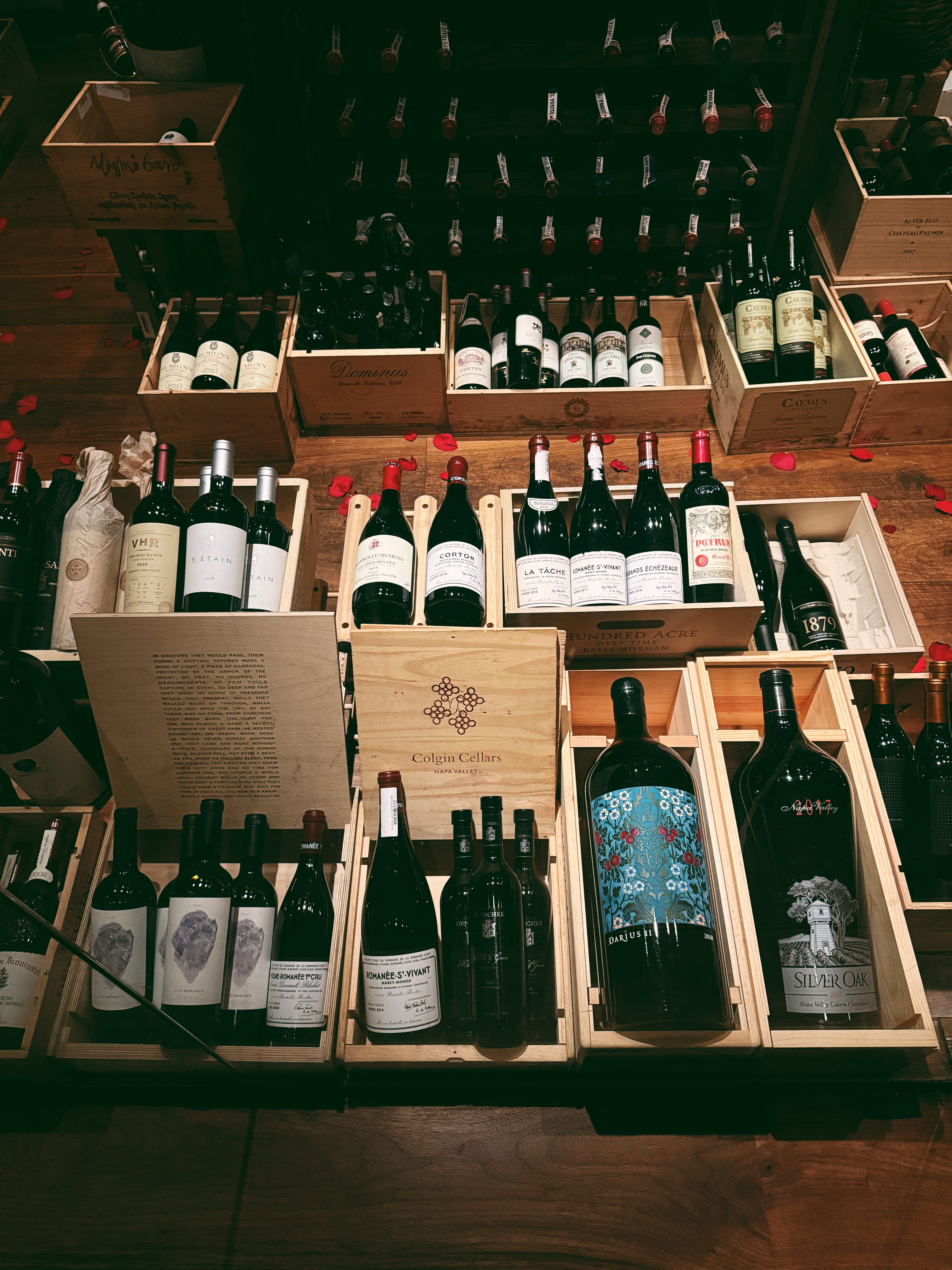
Instead, find a real wine shop—one where the staff actually cares about what they’re selling. A good wine merchant will do more than just ring up your bottle; they’ll guide you, challenge you, and introduce you to wines you’d never pick on your own.
How to Spot a Great Wine Shop:
The staff wants to talk to you about wine. They don’t just push the most expensive bottle; they ask questions.
The selection is curated, not overwhelming—no endless shelves of the same bulk brands.
They carry wines from interesting regions, not just Napa, Bordeaux, and Tuscany.
Not sure what to say? Try something along the lines of:
“I usually drink X, but I want to try something different. What do you recommend?”
Then trust them. Take the risk. That’s how you learn.
Read just enough to sound like you know things
You don’t need to become a walking encyclopedia, but a good wine book can make the whole learning process way more fun. Here’s what’s worth reading:
Beginner-Friendly:
📖 Wine Simple (Aldo Sohm) – Straightforward, fun, and easy to understand.
📖 Wine Folly: Magnum Edition – Infographics, maps, and everything broken down visually.
For the Enthusiasts:
📖 Who's Afraid of Romanée-Conti? (Dan Keeling) – A sharp, witty dive into wine culture that demystifies the world of fine wine with a healthy dose of humor.
📖 The Sommelier’s Atlas of Taste – Deep dive into terroir and classic wine regions.
For the Hardcore Nerds:
📖 The Oxford Companion to Wine – The ultimate reference book (aka, a wine bible).
📖 One Thousand Vines: A New Way to Understand Wine (Pascaline Lepeltier) – A fresh approach to learning wine through structure, grapes, and place, instead of memorizing random facts.
Don’t want to commit to a full book? Follow great wine writers. (And, obviously, subscribe to Far Ouest.)
Go to tastings
The best way to train your palate is to taste wines side by side. That’s where tastings come in.
You don’t have to plan an annual trip to Bordeaux or Napa to taste good wine. Most decent wine shops host tastings, and these are goldmines for learning. You’ll start to notice differences between grape varieties, regions, and styles—and best of all, you get to try before you buy.
Tasting Tips:
You don’t have to spit, but you also don’t have to finish every pour. (Pace yourself.)
It’s fine if you don’t taste “wild strawberries and crushed violets.” Just figure out what you like and why. Ask questions.
The people pouring usually love talking about wine (and need a break from that one guy monologuing about malolactic conversion).
Check your local shop’s website or Instagram—there’s probably a tasting happening soon.
Want to get serious? Take a class
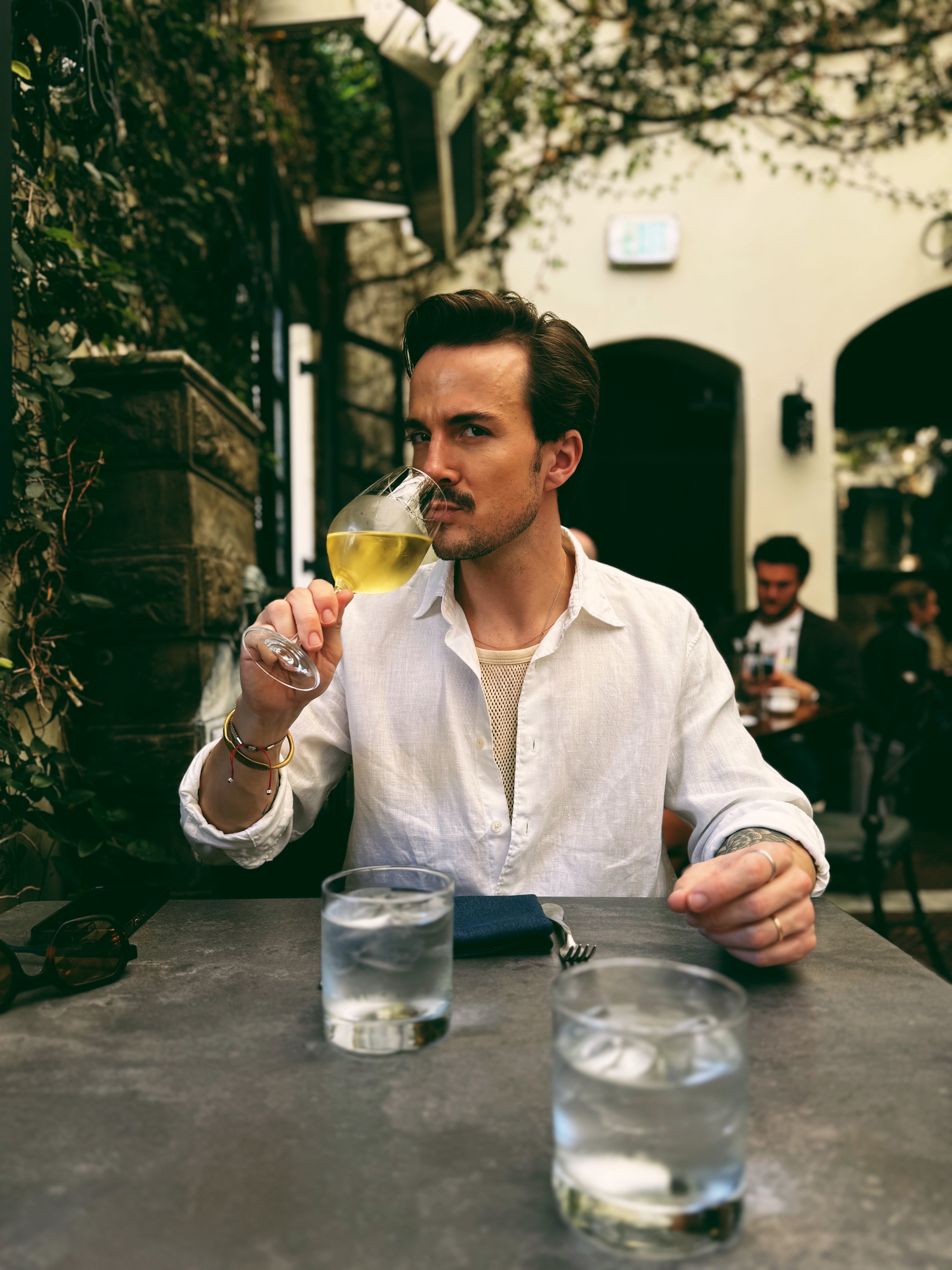
If you’ve made it this far and you’re thinking, okay, I really want to learn more, you might consider formal education.
There are two major paths:
WSET (Wine & Spirit Education Trust) – Great for structured learning. If you like a methodical, global approach, this is for you. (I’m WSET-certified.)
Court of Master Sommeliers (CMS) – More service-focused. If you dream of being a sommelier, this is the route.
Do you need a wine certification?
No. Some of the best wine people I know don’t have a single certification. But if you like structured learning, it can be a great way to sharpen your skills.
Learning about wine is a lifelong journey
Here’s the thing: you’ll never know everything about wine. The more that I learn, the more I realize how much more there is to learn. Even the best sommeliers are still learning. That’s what makes it fun.
So don’t stress about getting everything right. Just drink, taste, ask questions, and keep exploring.
And if you want an easy way to stay in the loop, subscribe to Far Ouest—I promise to keep it fun.