


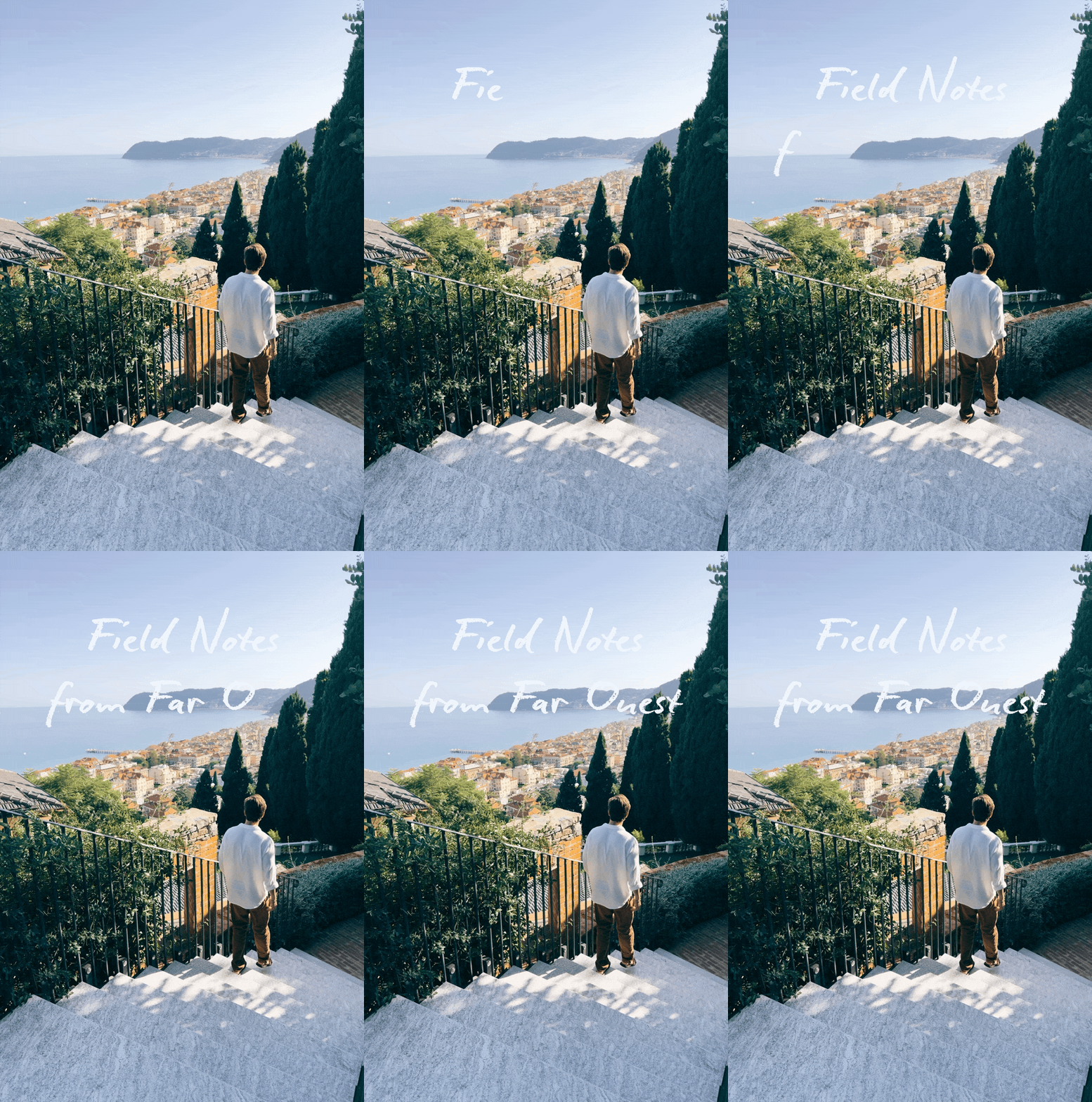
I’ve been avoiding this newsletter. Not for lack of stories, but because the past eight weeks gave me too many—moments that resisted easy summary, experiences that needed time to settle before they made sense on the page.
Which feels fitting, as that’s what travel teaches you: some things can’t be rushed, even when you want to get them down in words. Between celebrations, work trips, and too many airport coffees, I lost the rhythm that writing requires. But maybe the silence was necessary. Maybe I needed to slow down enough to understand what I was trying to say.
Italy reminded me—or taught me again, because apparently I need this lesson on repeat—that patience produces quality, the best things unfold at their own pace, and efficiency isn’t the only measure of a life well-lived.
We landed in Nice on a sultry late-summer evening in early September. The kind of heat that clings to your skin even after the sun drops below the horizon. Despite more than 22 hours of travel, we felt energized by what lay ahead. First stop: Alassio, a small town tucked into the Ligurian coast that most people have never heard of. This was intentional. We could have chased the Instagram-famous coastlines—Amalfi’s cliffs, Portofino’s pastel harbor crowded with yachts and selfie sticks—but instead we chose to slow down, to see what happens when you stop chasing the obvious and let a place reveal itself on its own terms.
Villa della Pergola became our base—a 19th-century estate perched above the Mediterranean, its botanical gardens seemingly untouched by time. Mornings unfolded slowly: coffee on the terrace overlooking the sea, the distant sound of church bells marking hours that didn’t feel urgent. Days slipped by beside the infinity pool, the horizon blurring the line between water and sky.
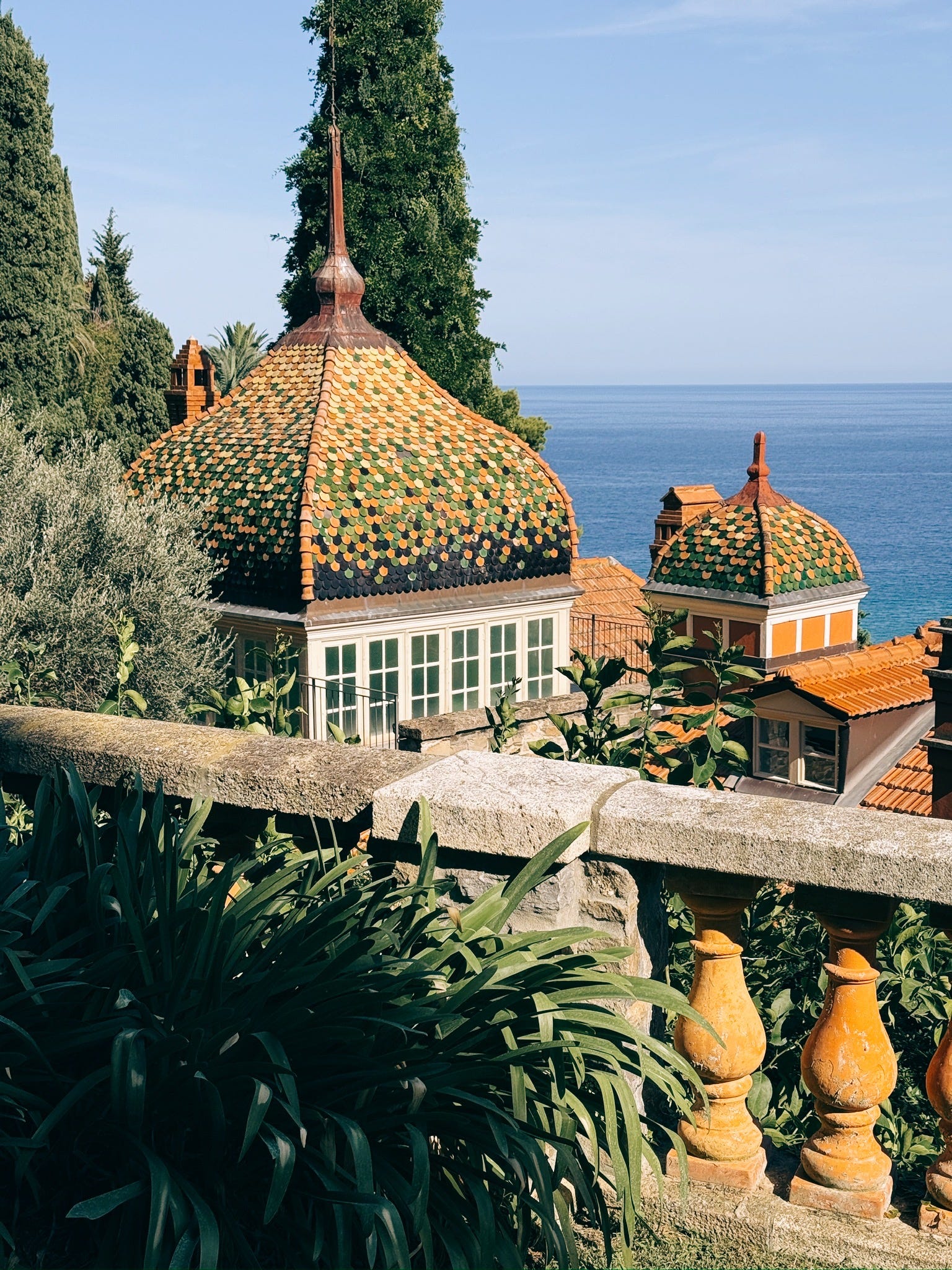
Liguria does this to you. The geography itself enforces slowness—vineyards carved into impossible terraces where machines can’t reach, where every bottle represents someone’s stubborn refusal to farm easier ground. The region is a sliver of coastline squeezed between mountains and sea, and everything about it feels hand-scaled, human-paced.
One afternoon, we opened a bottle of Rosedelmare 2023 from La Ginestraia—a rosato made from Rossese, Liguria’s signature red grape that exists in relative obscurity outside these hills. Pale and perfumed, it shared more with Burgundian elegance than the muscular reds of neighboring Piedmont. Red berries and Mediterranean herbs, yes, but what struck me most was that unmistakable saline edge—as if the sea breeze had been captured and bottled. Rossese, like Liguria itself, refuses to shout. It’s light in body but dense with character, shaped by maritime winds that other regions can only dream of. Very little of it leaves these hills, which is precisely what makes it worth seeking out. Some wines don’t exist to conquer export markets but to capture moments—and this rosato understood the assignment.
We took a day trip to Cervo, a medieval village clinging to the coast where music fills the narrow streets. Violins from open windows, a cello practicing somewhere above, piano scales drifting from a doorway—musicians preparing for the summer concert series that’s been a tradition here for decades. It felt like stumbling onto a film set, except nothing was staged. This was just life in Cervo, where classical music is as natural as waves against stone.
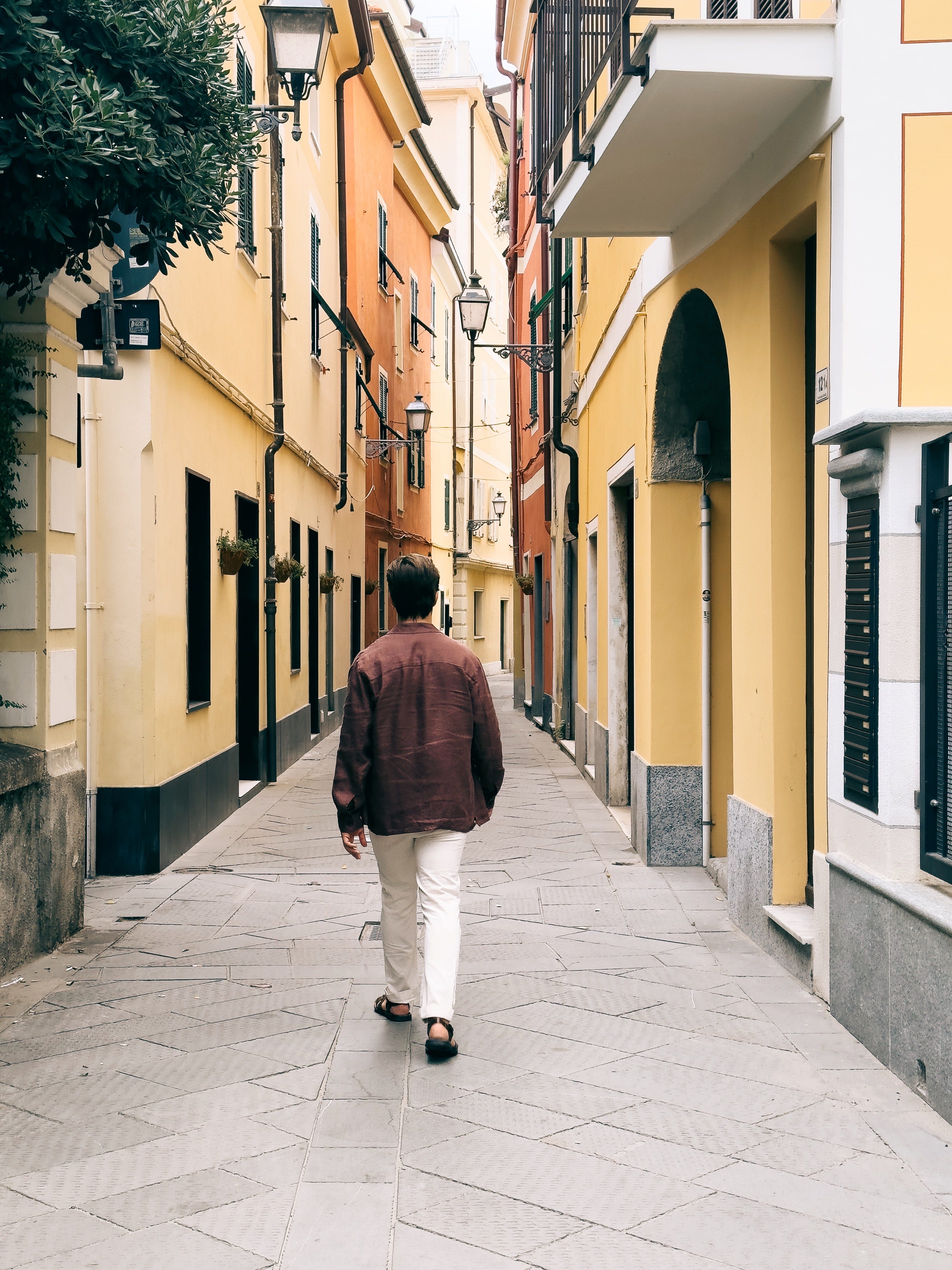
Places like this recalibrate your internal clock. The urgency that feels essential back home—the packed calendars, the optimization of every hour—suddenly seems absurd in a place where people have been making wine the same way for generations, where concert series have run uninterrupted for fifty years, where life follows seasons and tides rather than notifications and deadlines.
After three days in Alassio, we needed to get to Como relatively quickly. But I couldn’t resist a detour through Piedmont. The drive from the coast to the Langhe is a study in contrast: Liguria’s vertical drama gives way to gentle undulations, hills rolling like ocean swells frozen mid-motion, each crowned with a village or castle, the valleys thick with hazelnuts and vine rows that trace the land’s natural contours.
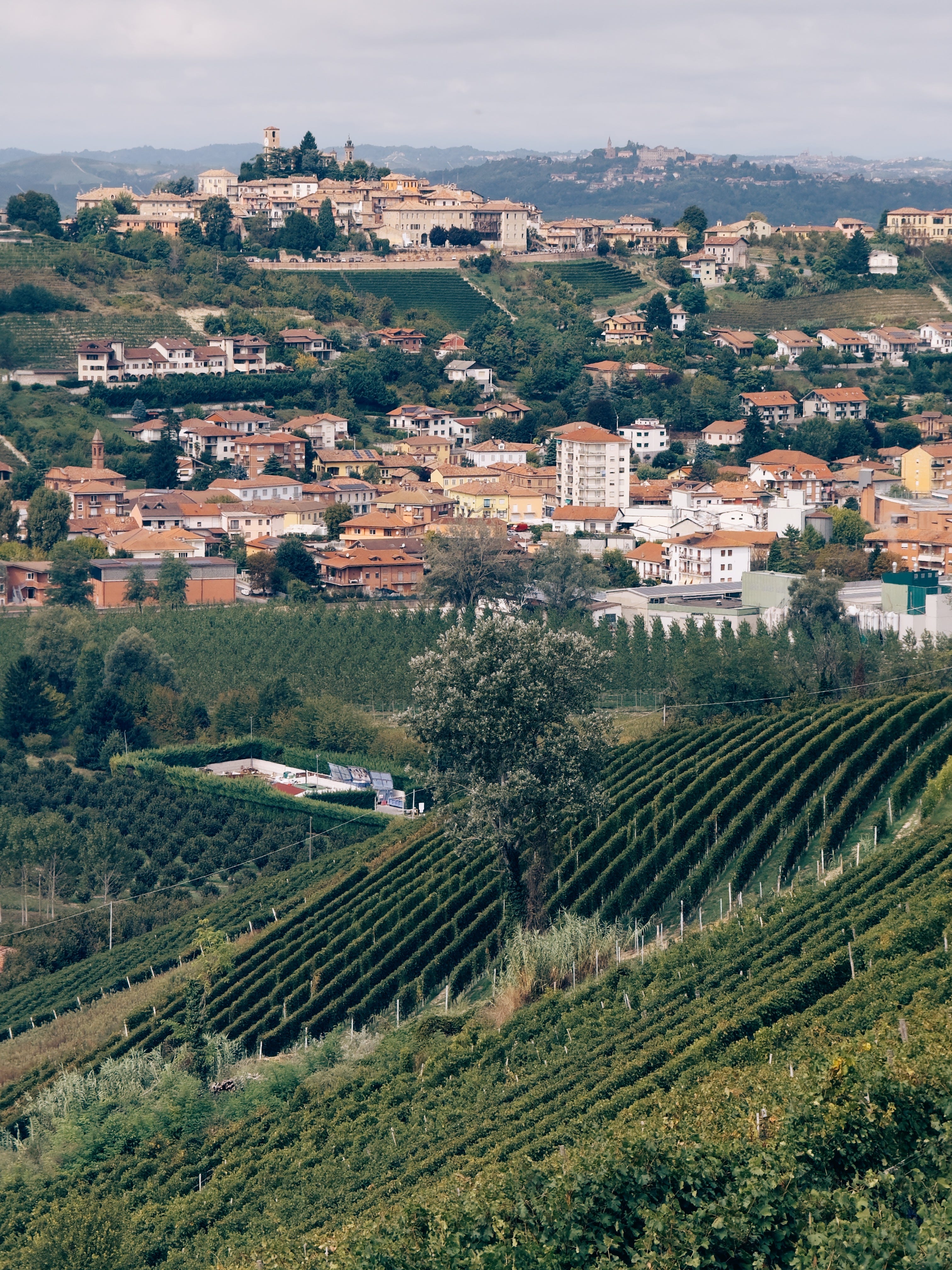
We stopped at Paitin in Barbaresco, a family-run estate farming these slopes since 1796. There, we met Luca Elia, whose family has tended these vines since the beginning. There’s a quality to multi-generational wineries you can’t fake—a depth that comes only from watching the same hillside through centuries of weather and change. Luca moves through his vineyards with the ease of someone who knows every vine personally—who can tell you which parcels ripen first, which struggle in wet years, which produce the most elegant wines. His family has been exporting Barbaresco since 1898, building a legacy one vintage at a time.
We tasted in a cellar that smelled of old wood and earth. These are not wines for the impatient. Nebbiolo demands time. Italy’s great lesson, in a glass.
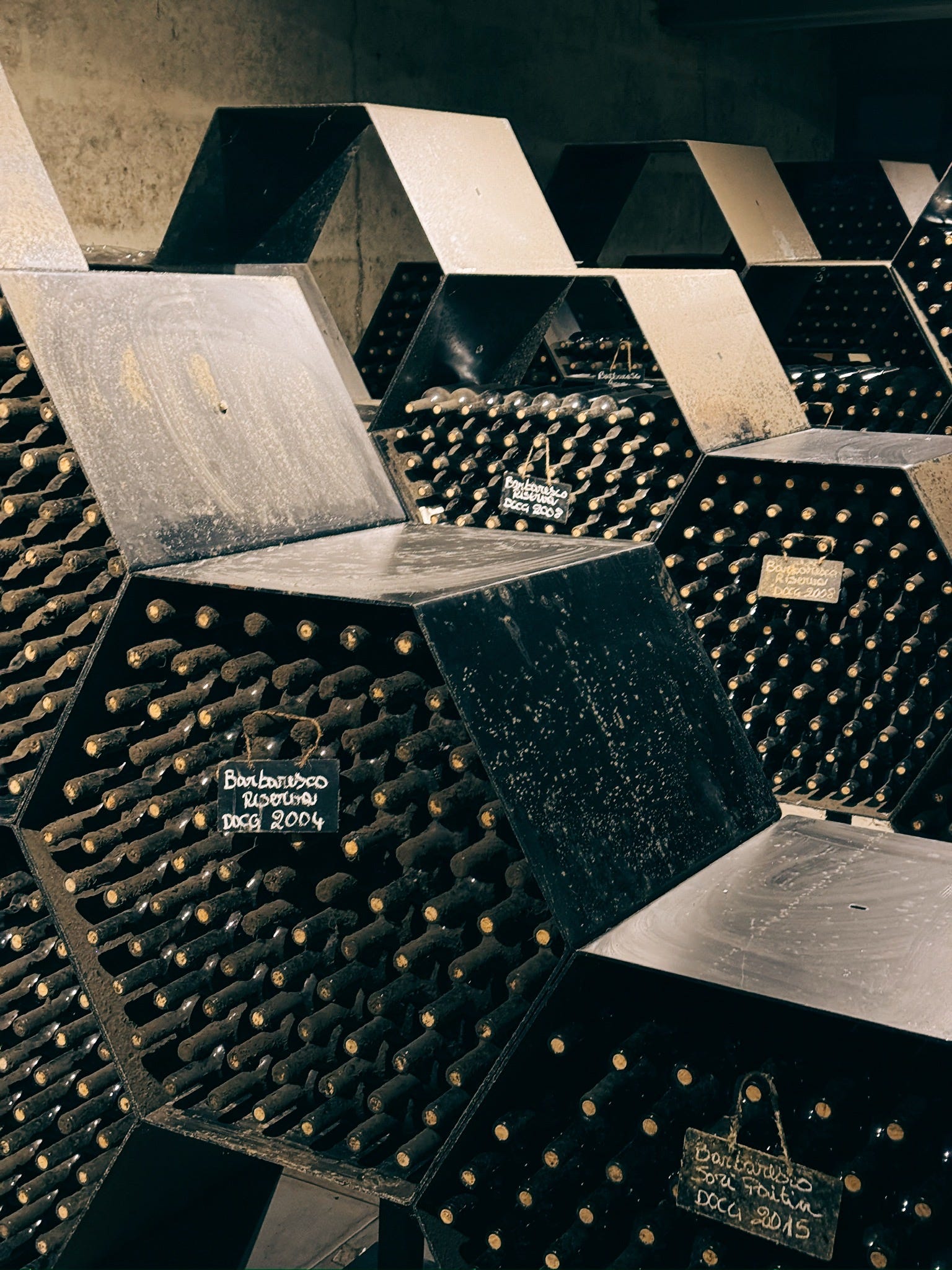
Luca told us about their organic farming—fully certified since 2019, though practiced long before the paperwork. He mentioned biodynamic techniques too, not as marketing but as continuity. Following natural cycles, maintaining biodiversity, treating the vineyard as a living system rather than a production facility.
Modern efficiency could yield more wine, he said, but it couldn’t produce better wine.
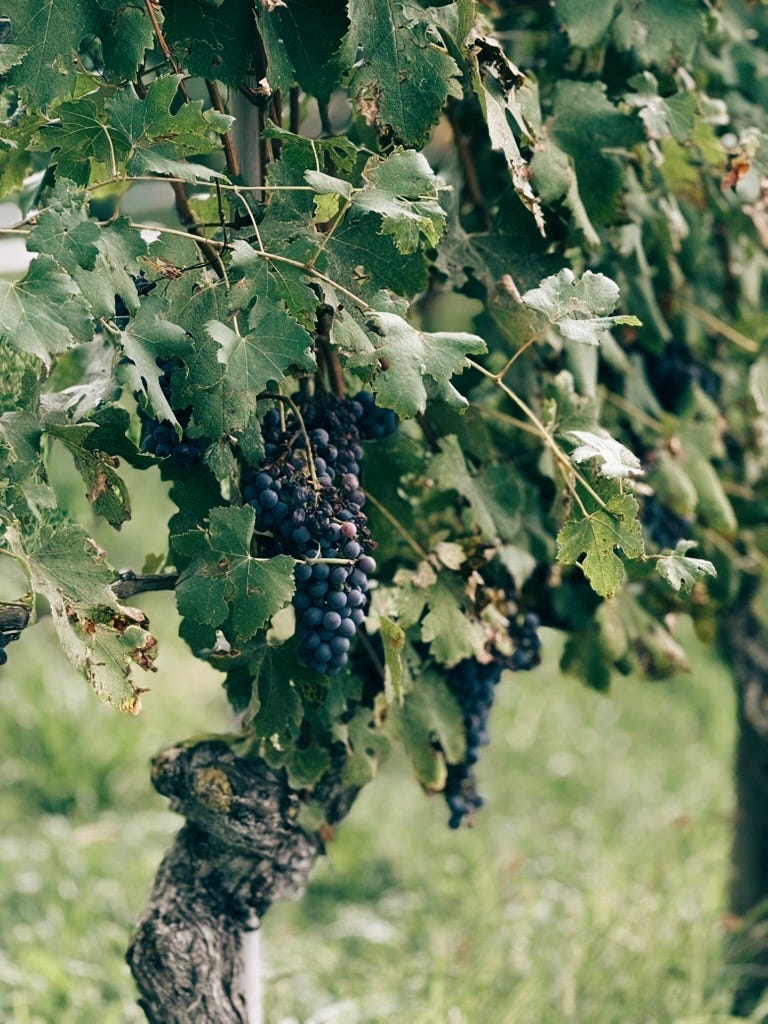
Standing in those vineyards, looking out over the patchwork of family plots that define Barbaresco, I understood why Italy keeps pulling people back. These places remember what we keep forgetting: that quality requires time, craft resists shortcuts, and the best things unfold whether we’re ready or not.
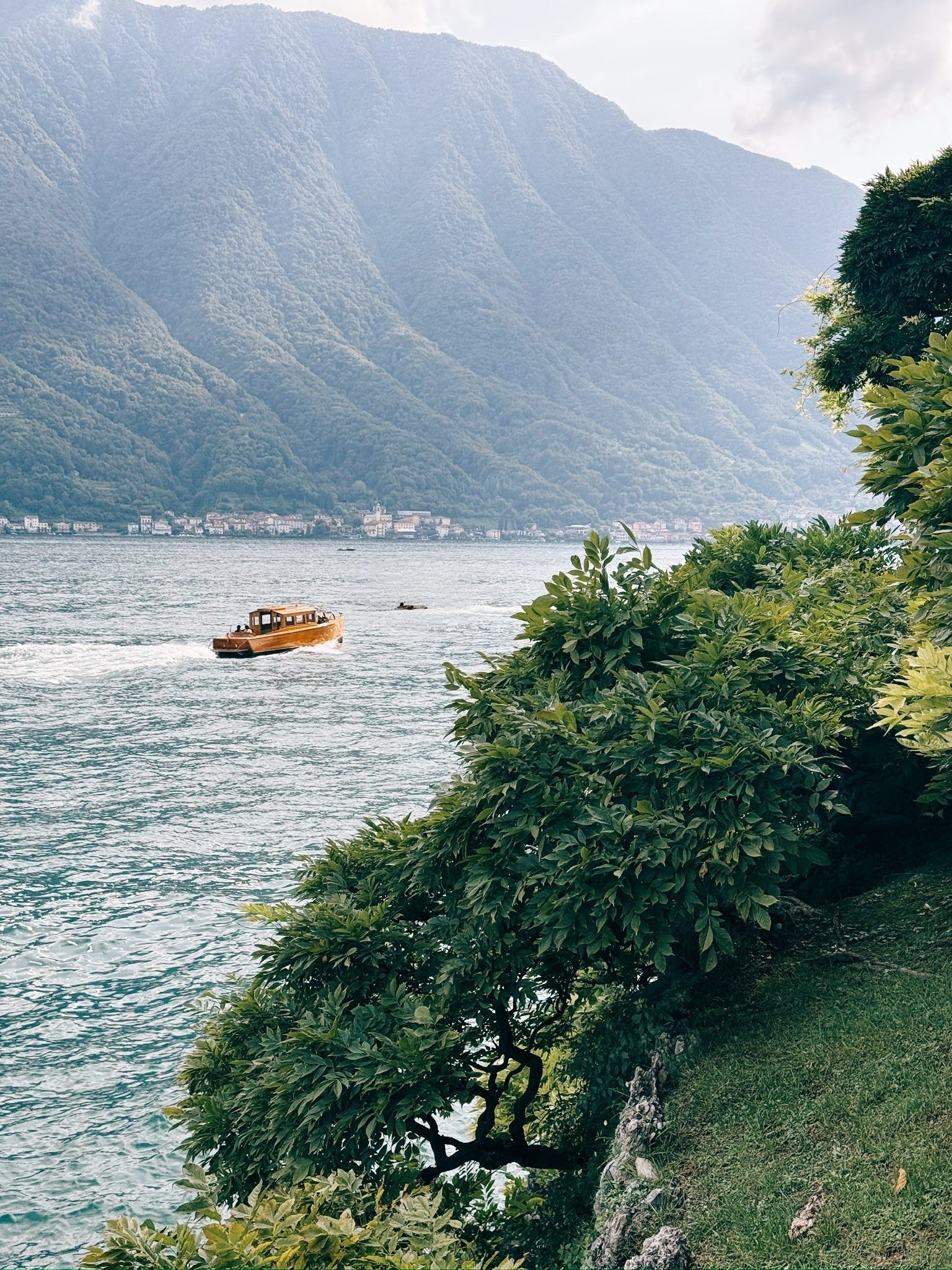
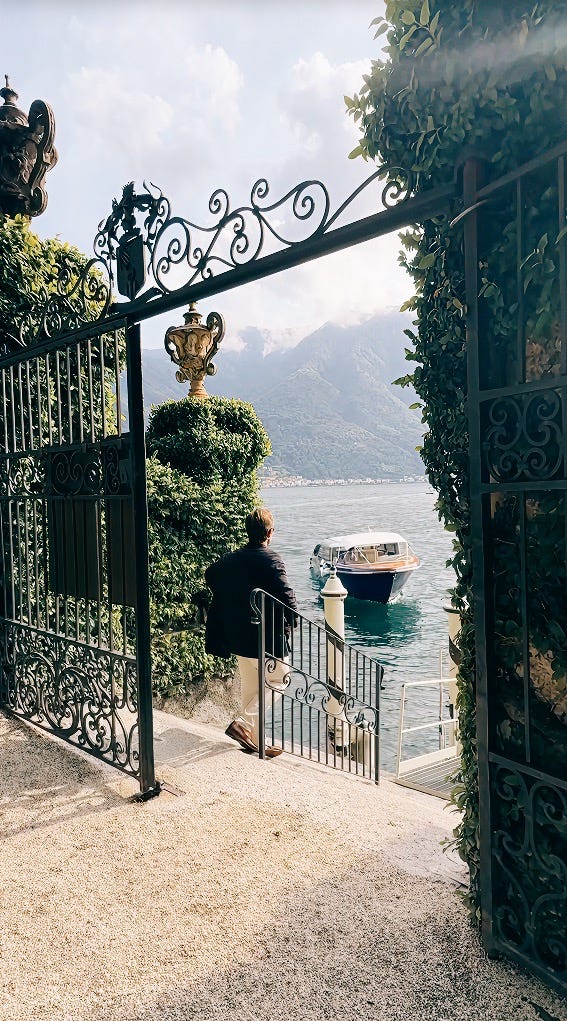
The next day, Como appeared through morning mist like something from a dream, the lake so still it mirrored the mountains perfectly. We’d arrived for the final leg before the wedding, and I’d been looking forward to this—Como has a particular elegance, the kind that whispers rather than shouts.
That evening, a friend’s recommendation led us to the kind of restaurant where the wine list is a book and the sommelier knows every bottle by heart. I ordered a bottle of skin-contact Pinot Grigio from Trentino that most Americans have never heard of because they’re too busy ordering Super Tuscans or, if adventurous, Barolo.
The sommelier’s face lit up. “You know wine,” he said—not a question but a statement. What followed was one of those serendipitous evenings you can’t plan.
After generously offering to share some surprise pours with us, he disappeared into the cellar, returning with a covered bottle, condensation clinging to the glass. “For you to taste.”
The wine poured pale gold with a faint petrol shimmer. On the nose, honeyed stone fruit, beeswax, and that kerosene note that signals age. On the palate, it was electric—vibrant after all these years, acid slicing through layers of fruit, nuts, and dried flowers. The finish went on and on.
“1985 Benedict Loosen-Erben Ürziger Würzgarten Riesling Spätlese,” he finally revealed.
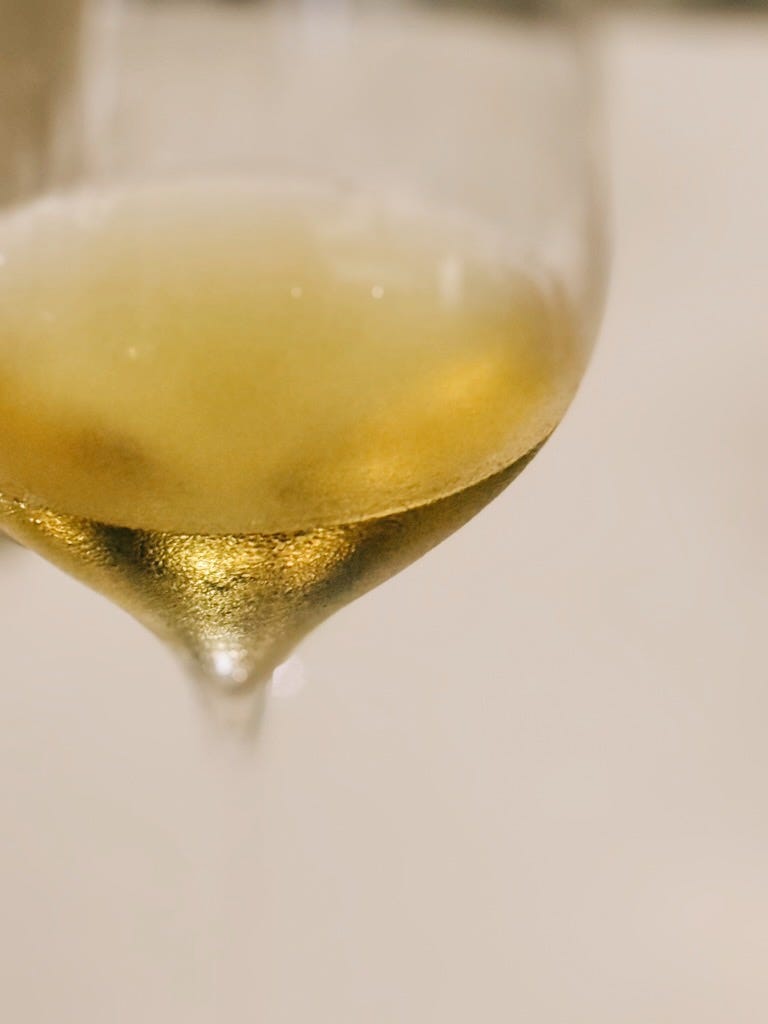
Forty years. Older than I am. Still alive, still vibrant—proof that time isn’t always the enemy.
He poured another: a 2021 Lou Dumont Bourgogne Passe-tout-grains, a blend of Pinot Noir and Gamay that most Burgundy snobs dismiss. Pure pleasure—bright fruit, earthy undertones, the kind of wine that makes you forget prestige and just enjoy the moment. Again, he let us taste before revealing. It wasn’t a test; it was a gift.
Then: “Come,” he said. “I want to show you something else.” Down into the cellar we went—a cavern lined with bottles from every corner of the wine world. We talked vintages, debated Italian wine’s future, ate warm panettone from the chef while the sommelier proudly showed us the collection he built over the years.
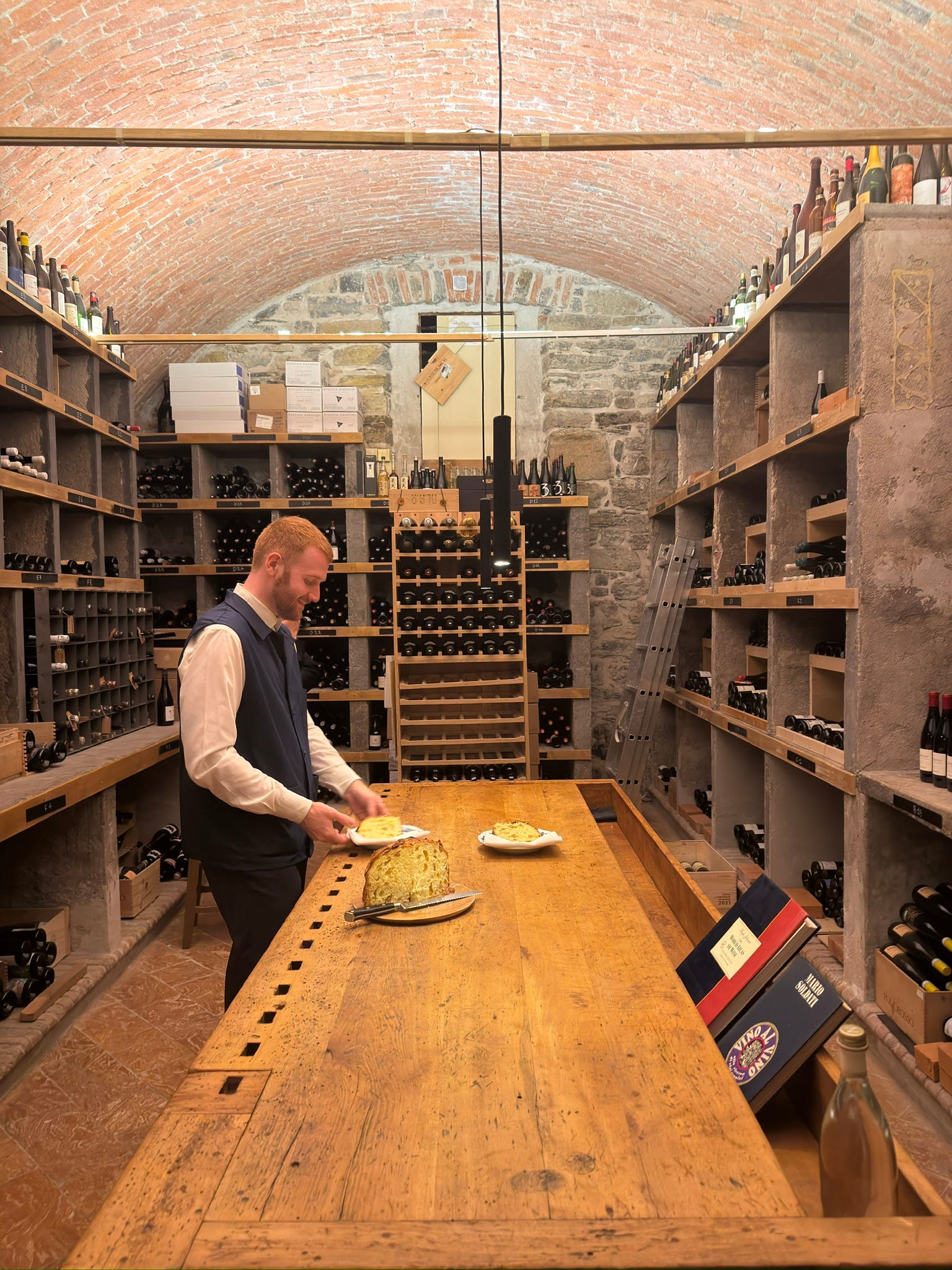
You can’t schedule a moment like that. You can’t optimize your way into a sommelier deciding to open a forty-year-old Riesling for strangers, can’t engineer midnight panettone in a cellar. These things happen only when you make space for them—when you’re open to where the evening wants to go rather than where you planned for it to end.
We stayed in Como two more days, moving at a pace that would’ve felt indulgent back home but here seemed natural: long breakfasts overlooking the lake, afternoon walks through gardens tended for centuries, evenings without clocks.
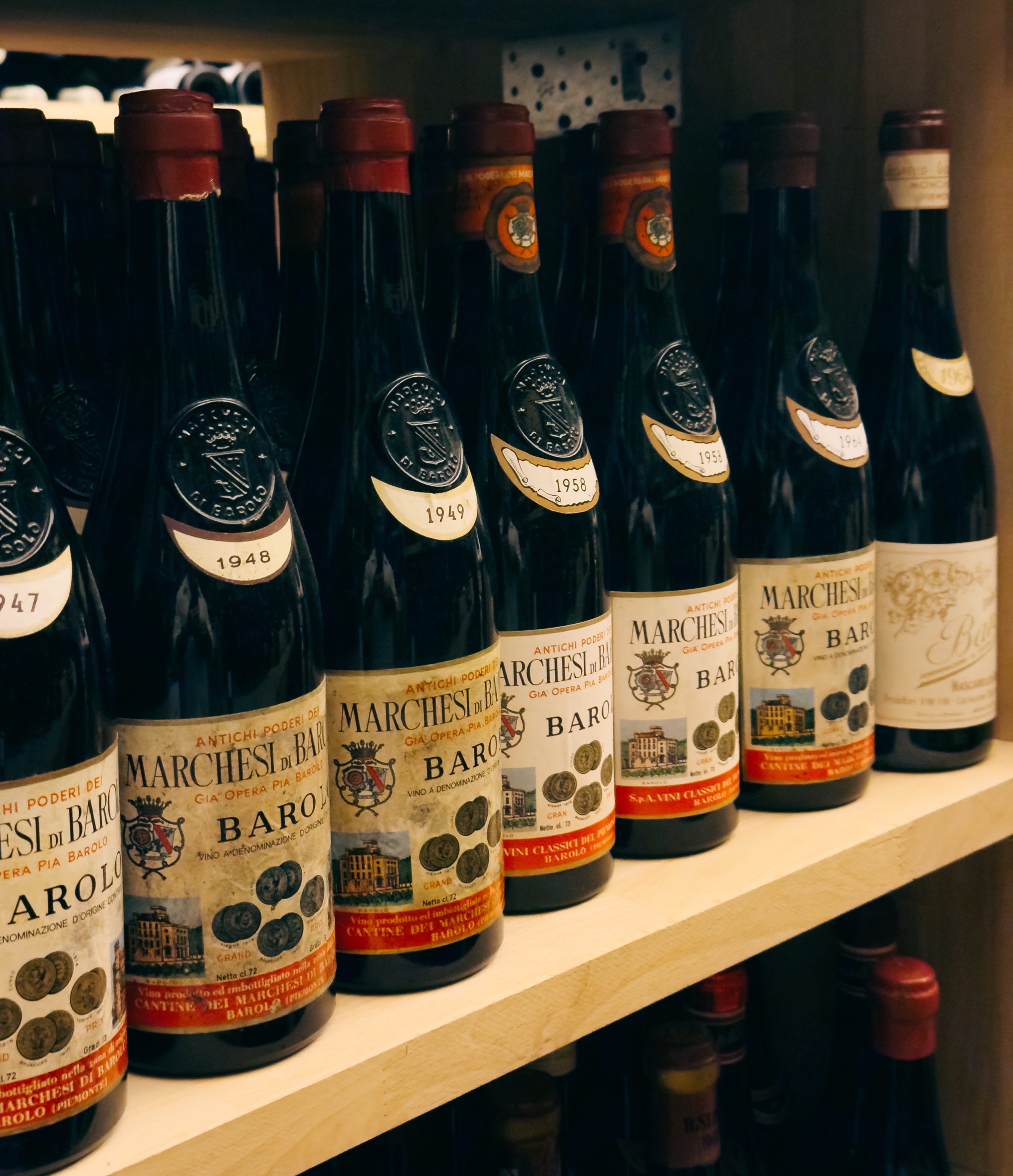
Italy does this. It insists on slowness not through rules but by example—showing that another rhythm is possible, that efficiency isn’t the only measure of a life well-lived. The wine helps, of course. It’s hard to rush a forty-year-old Riesling or a Barbaresco that took a decade to peak. These wines demand attention, reward patience, invite contemplation.
I realize now why the newsletter went quiet for two months. I’d been moving at a pace that left no room for reflection, optimizing my days until I’d lost touch with the very things I started writing about—the unoptimizable pleasures, the moments that matter precisely because they can’t be rushed.
Italy reminded me. Or maybe it gave me permission to remember: some things are worth doing slowly, patience produces quality, and the best experiences can’t be scheduled.
Thank you for still being here—for not unsubscribing during the silence, for giving me space to disappear and return, for understanding that sometimes the best way forward is to slow down first.
More soon. And this time, I mean it.
— Nick
Great story Nick. We spent a day in Como in January, I wish we'd been able to get a car (the rental had a bad clutch) it is hard to get around in the winter with limited boats and cabs/ubers. I really want to go back and I made a note of the smaller towns as well. That's my goal is to go to smaller cities and towns in the future.
Beautiful storytelling. I felt like I was there. 🥰