


Napa Valley has an image problem. It’s still the crown jewel of American wine, still a global powerhouse. But beneath the prestige, the valley is cracking.
There’s a grape glut. Looming tariffs. A generation that drinks less, and when they do, they’re just as likely to reach for cannabis as Cabernet. Consumption is down, yet prices keep climbing. The era of bigger, riper, bolder isn’t what the next generation of wine lovers is looking for. The model that made Napa a legend is being tested. And the valley is being forced to ask itself: What now?
Not every winery is built to last. Some will adapt. Some will fade. But a few—those that have never chased trends—stand as proof that Napa’s future might look a lot like its past.
I recently visited two such estates—one perched high in the mountains, the other tucked into a canyon. One shaped by wind and stone, the other by gravel and heat. Both make Cabernet Sauvignon. Both have cult followings. But their wines? Worlds apart.
Mayacamas and Diamond Creek are among Napa’s most historic producers. But in a sense, they are opposites. One defiant, the other precise. One rugged, the other refined. They’ve both been called relics, but the truth is, they might just be Napa’s future.
The Valley Floor Purist
I first tasted Diamond Creek at Lazy Bear in San Francisco. The name doesn’t carry the weight of a Screaming Eagle or Harlan, but among collectors, these wines are sacred. Small production. No flashy marketing. Just patience, precision, and time.
Al Brounstein, the maverick behind Diamond Creek, was never one to follow the rules. In the late 1960s, he smuggled Bordeaux cuttings into California via Mexico—no paperwork, no quarantine. Just a vision. What grew from that gamble became Napa’s first single-vineyard Cabernet estate. Before “terroir” was a buzzword, before cult wines were a thing, Diamond Creek was proving that Napa’s soils mattered.
Exclusivity at Diamond Creek was never about hype. It was about scarcity. The estate has never made much wine, and what it does make isn’t designed for immediate pleasure. These wines are tight, structured, almost severe in their youth. They reward patience, not instant gratification.
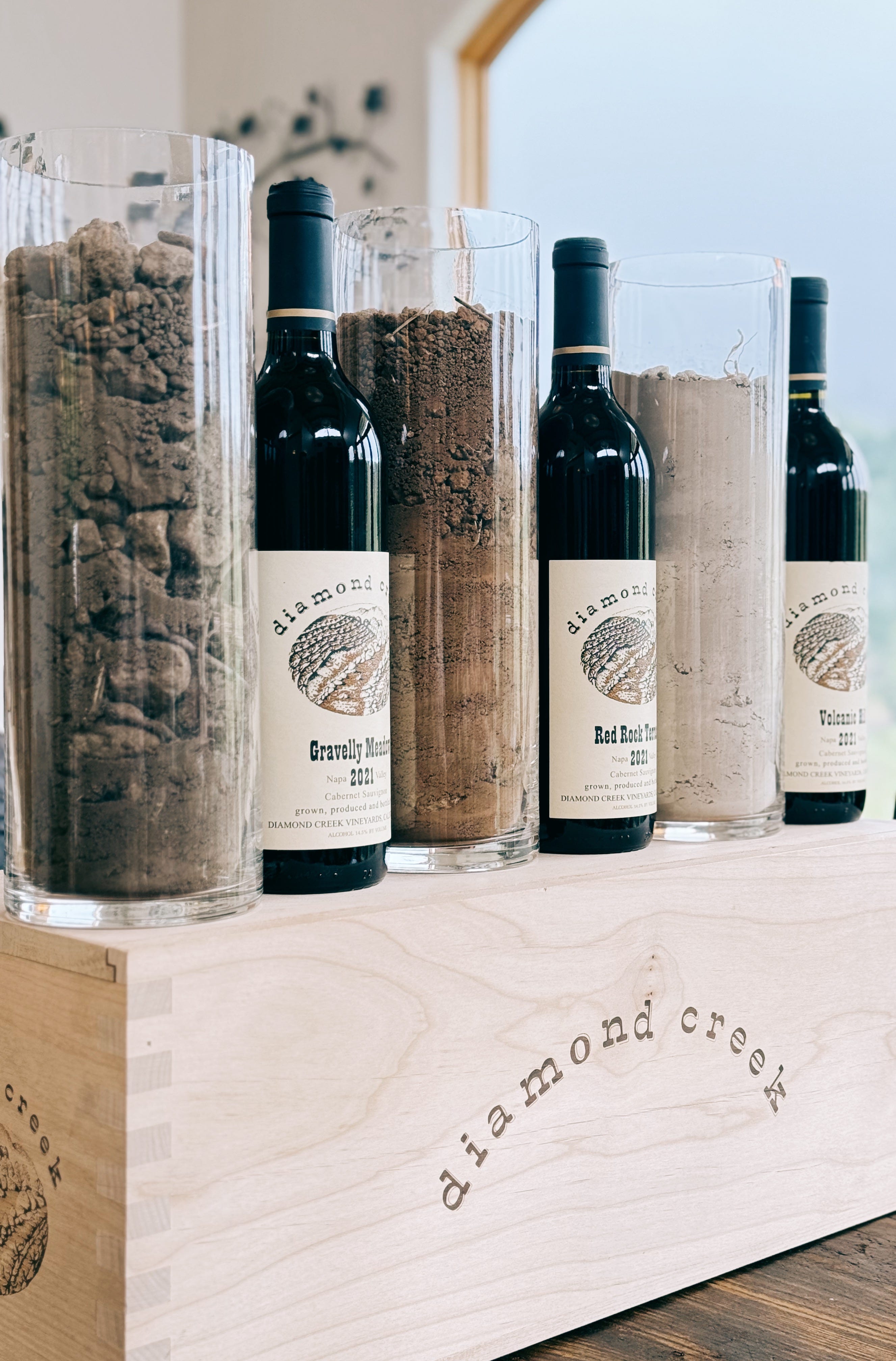
Its uniqueness lies in its land. The estate has four dramatically different vineyard sites within mere acres of each other.
Volcanic Hill – Dark, brooding, powerful. A heat magnet that yields wines of intensity and structure.
Red Rock Terrace – Iron-rich soils, cooler exposure, wines with richness and depth.
Gravelly Meadow – A former riverbed, low water retention, lower yields—producing wines of structure and finesse.
Lake – The rarest, coolest site, struggling to ripen in all but the warmest years, yielding wines of impossible delicacy.
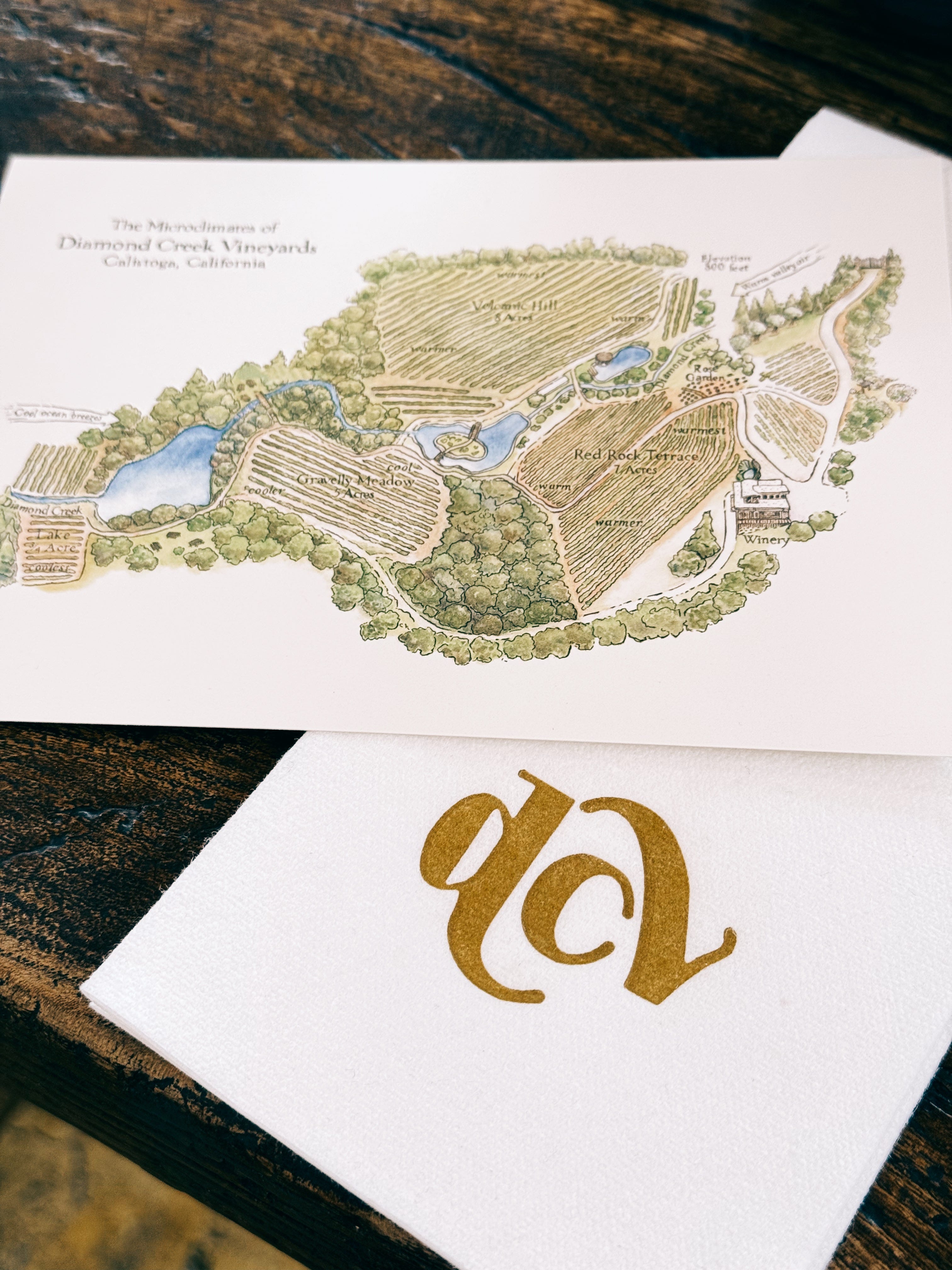
Such diversity within a single property shatters the idea that Napa is a monolith. It underscores the valley’s geological complexity—something often overshadowed by branding and pricing.
The Mountain Outlier
Where Diamond Creek is about refinement, Mayacamas is about resistance. Perched 2,400 feet up on Mount Veeder, this winery has survived fires, earthquakes, and Napa’s shift toward opulence. Founded in 1889 at the height of the Gold Rush, it remains one of the valley’s most historic estates. And its wines? They don’t care about trends.
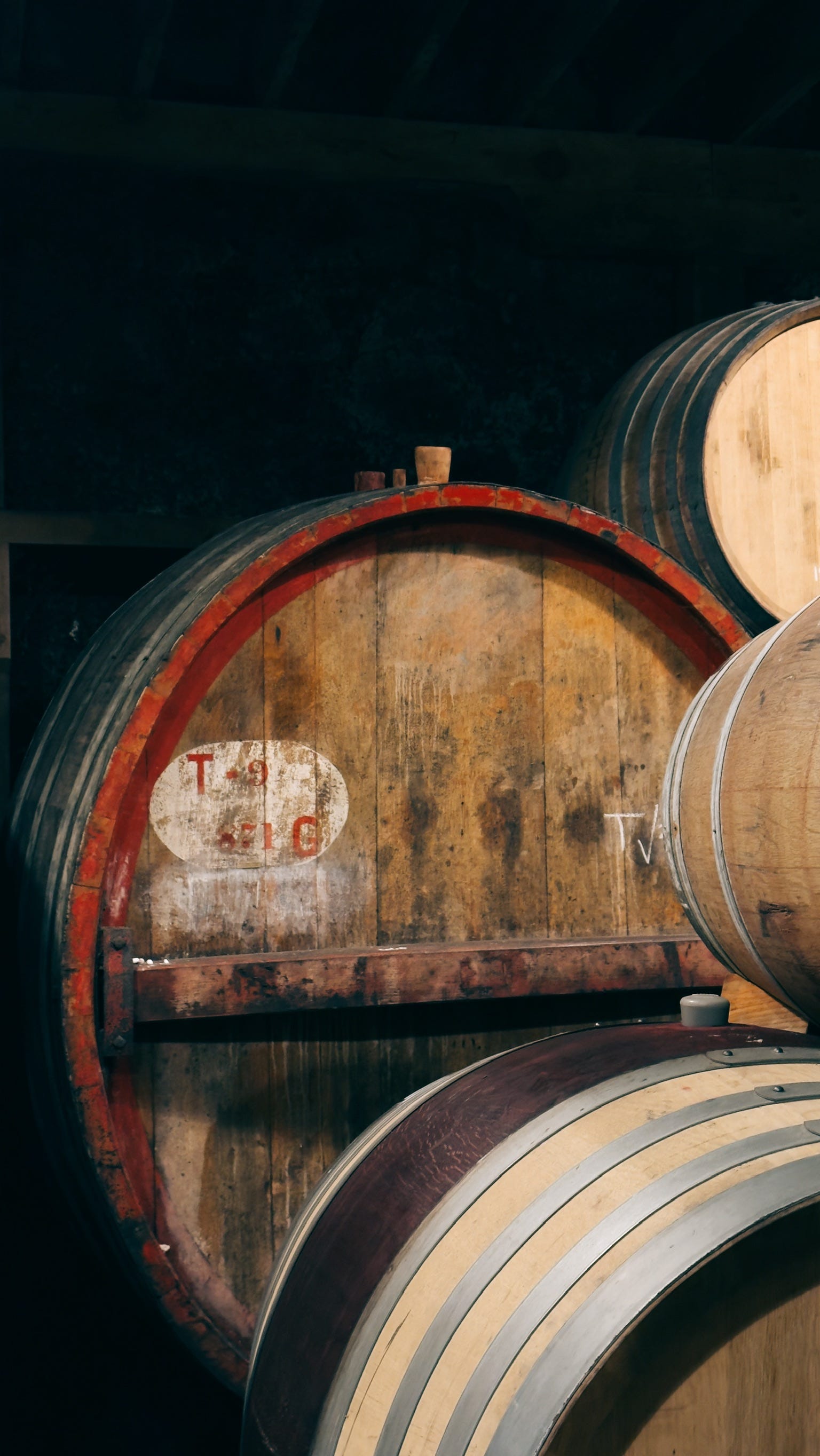
Mayacamas still uses concrete tanks for fermenting its Cabernet, a method most Napa estates abandoned decades ago. It still uses neutral oak, letting structure and acidity do the heavy lifting instead of new wood. The result? Wines that don’t beg for approval. They demand time, patience, and an appreciation for restraint. They are more Bordelaise than Californian, but with a precision that only Napa’s light and elevation can provide.
Since 2013, Mayacamas has doubled down on its identity. The vineyards are now fully organic. Biodynamic principles guide production. Nothing is forced. Everything is deliberate.
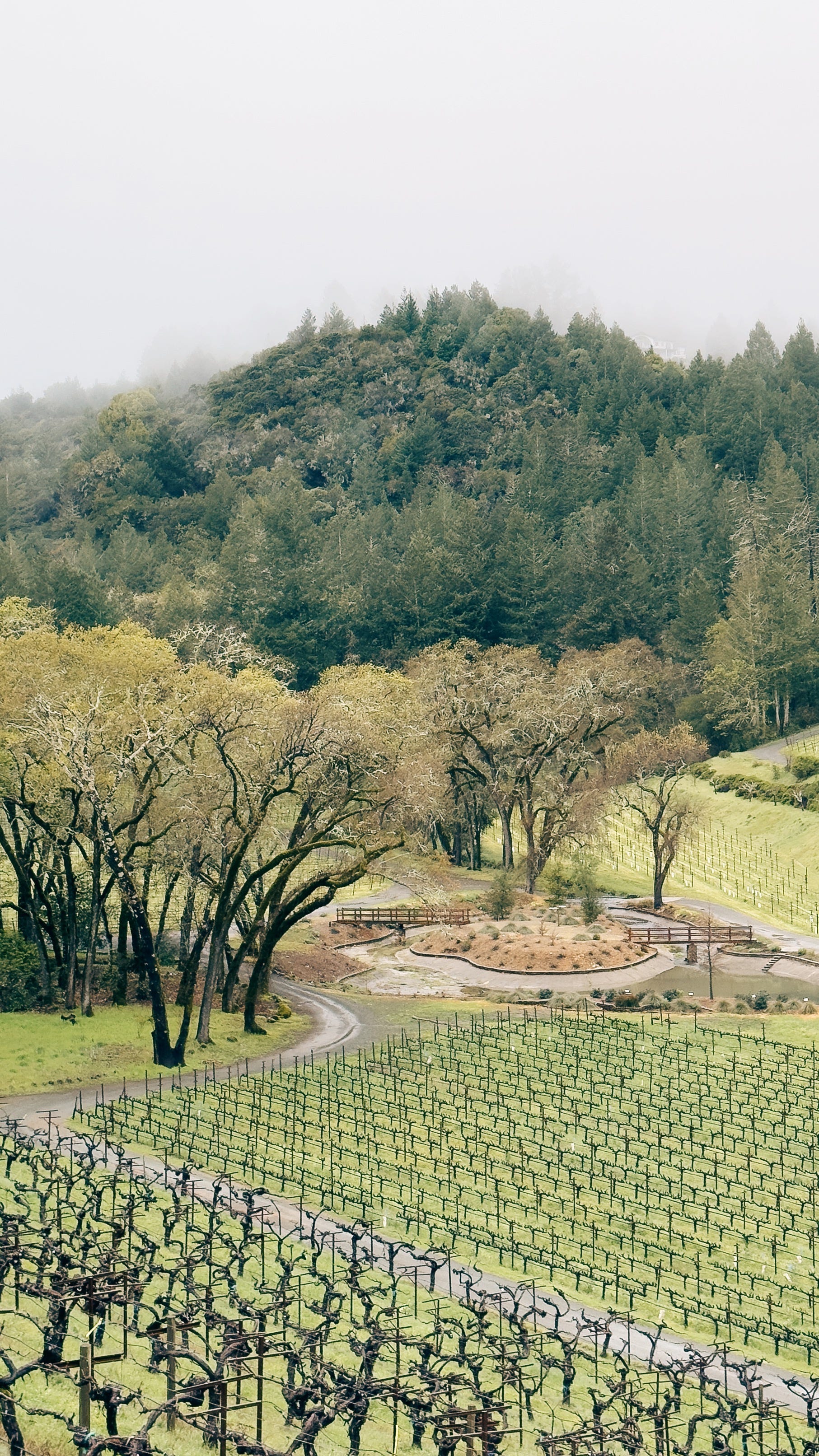
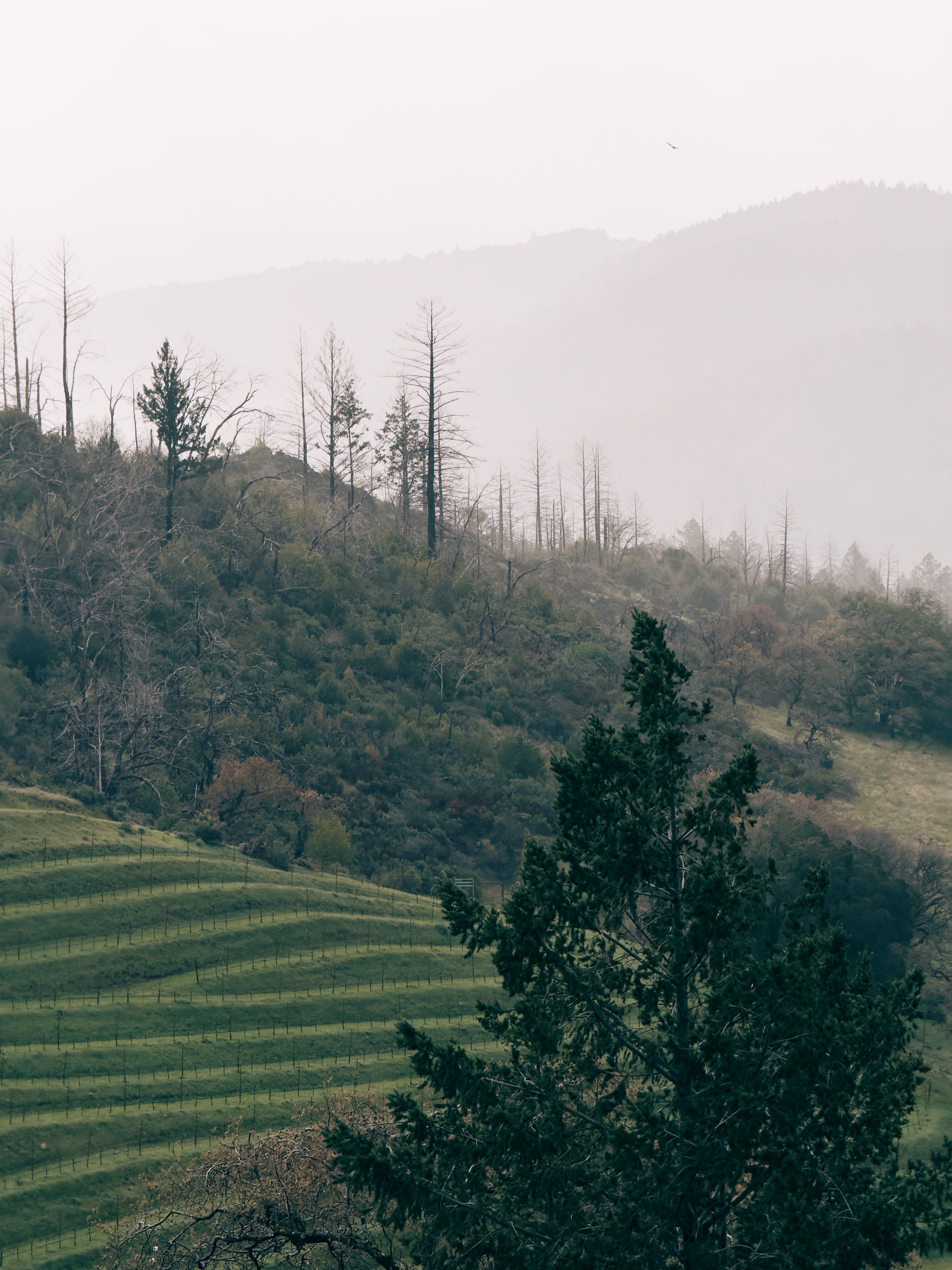
The mountain itself shapes these wines. The vineyards sit above the fog line, with long growing seasons and cold nights that preserve acidity. The wines stand in direct contrast to the plush, fruit-forward styles of the valley floor. These aren’t Cabs built for immediate seduction; they’re built for the long haul.
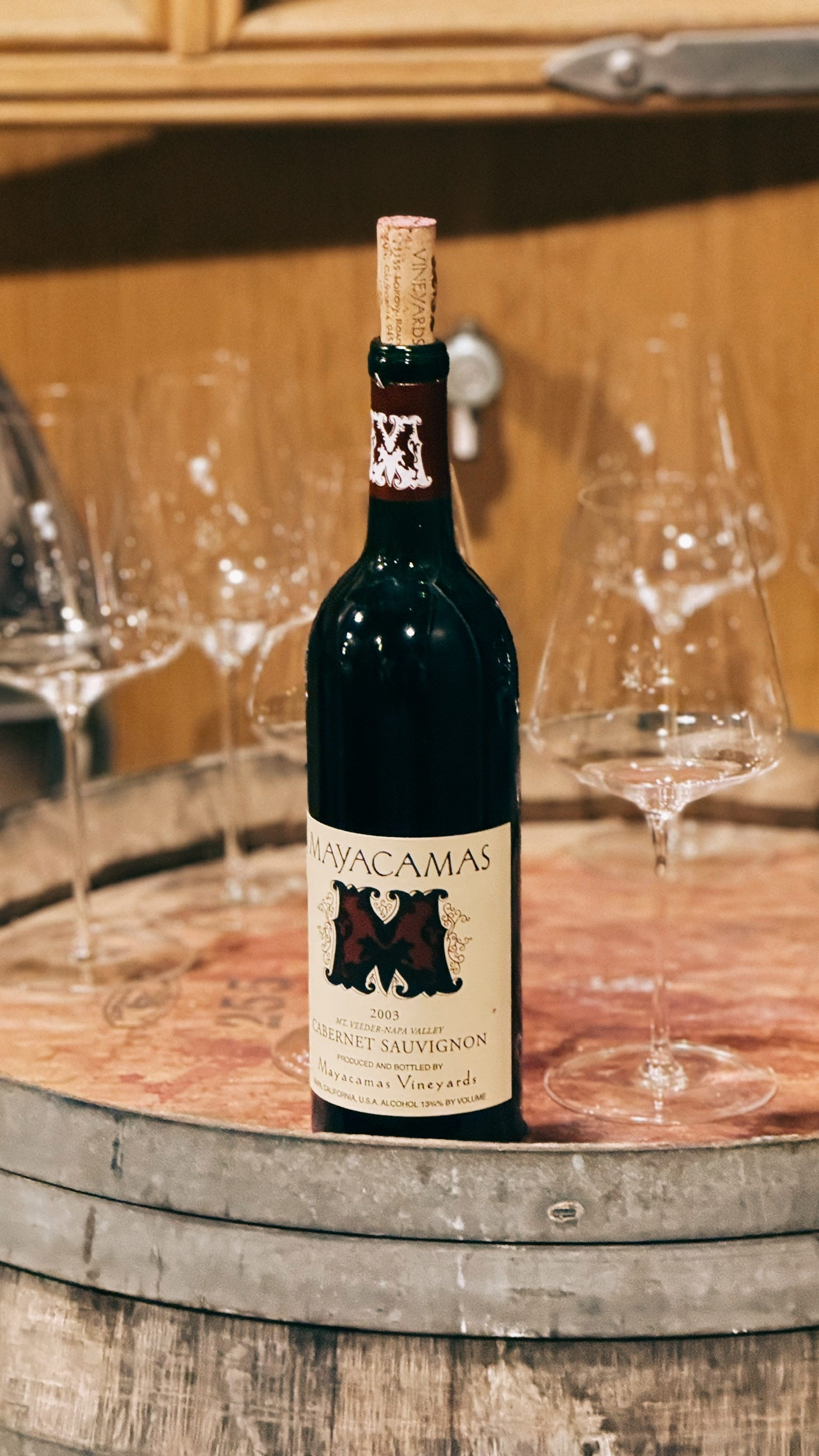
Mayacamas has also resisted the pressure to expand production or shift toward a more consumer-friendly style. While many Napa estates have softened their tannins, increased their alcohol, and embraced the plush, fruit-forward identity that critics reward, Mayacamas has stayed its course. That kind of steadfastness is increasingly rare in a valley where financial pressures push wineries toward accessibility and mass appeal.
Where Does Napa’s Future Lie?
Mayacamas and Diamond Creek sit on opposite ends of Napa’s topography, but they share something rare: an indifference to expectation. Neither has chased the valley’s shift toward hyper-luxury, toward softness, toward the easy sell. And that’s exactly why they still matter.
As Napa grapples with oversupply, shifting drinking habits, and an uncertain economic landscape, these estates stand as proof that the region’s greatest wines aren’t always the ones chasing trends. They are the ones that hold the line.
Napa is at an inflection point. The valley’s reputation was built by visionaries who believed in the land before it was profitable. But the past few decades have seen an industry increasingly shaped by money—wineries as investments, bottles as status symbols, exclusivity driven by price rather than principle.
Yet markets shift. Consumers evolve. And there is a growing hunger for authenticity. For wines that taste like somewhere. Wines that don’t need a marketing playbook to be relevant.
Mayacamas and Diamond Creek prove that Napa doesn’t have to reinvent itself to stay relevant. It just has to remember what made it great in the first place.
The future of Napa isn’t just about price tags and prestige. It’s about which vision of greatness wins out—the one that leans into excess, or the one that looks back to move forward.
From Peak to Creek, the battle for Napa’s identity is still being fought. The only question is: who will define it?
Nice depiction of the contrast in wineries. Concrete? That’s new to me.